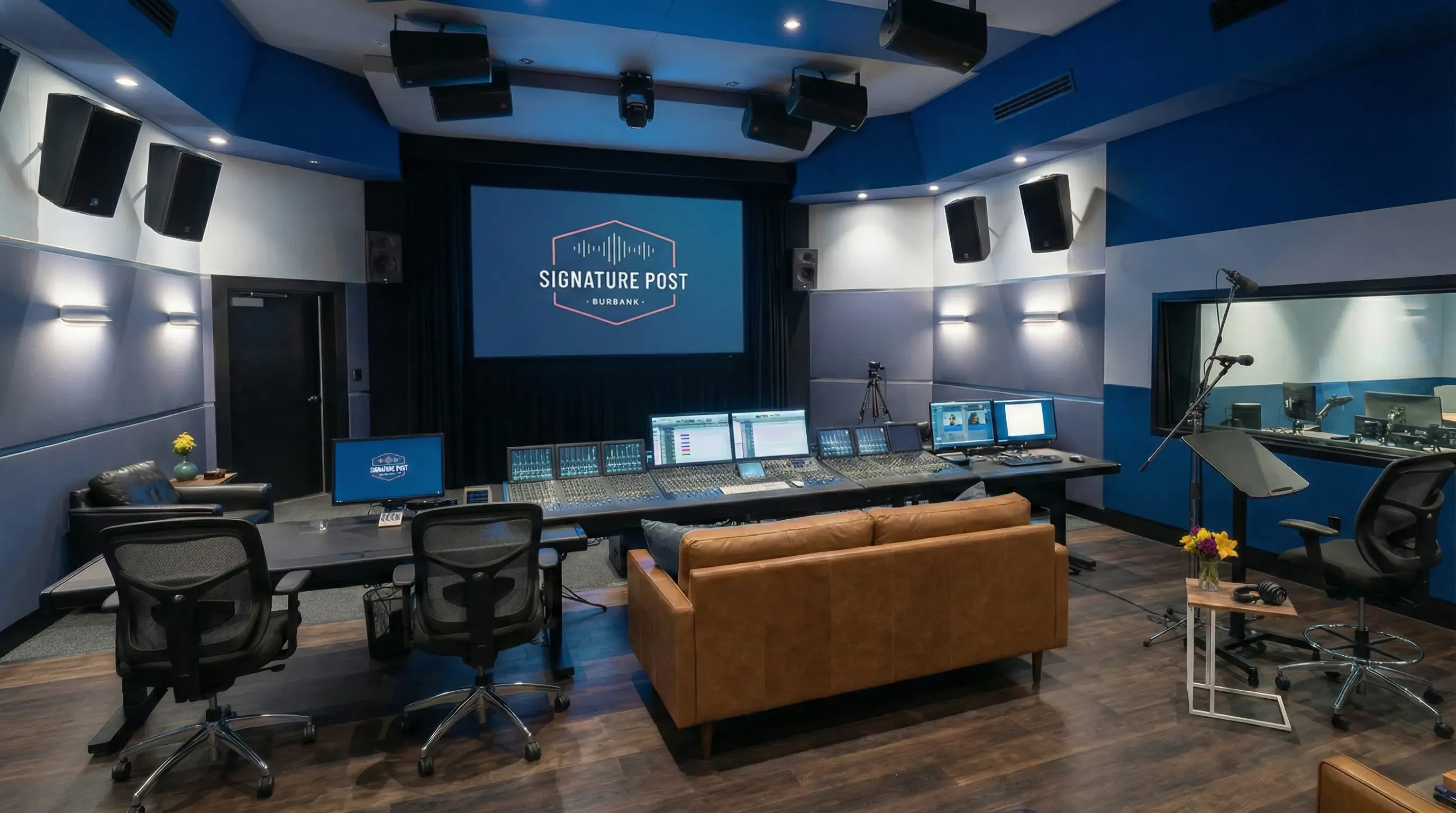
World-Class Recording Studio Design & Construction
From intimate project studios to commercial facilities, we create spaces where music comes to life.
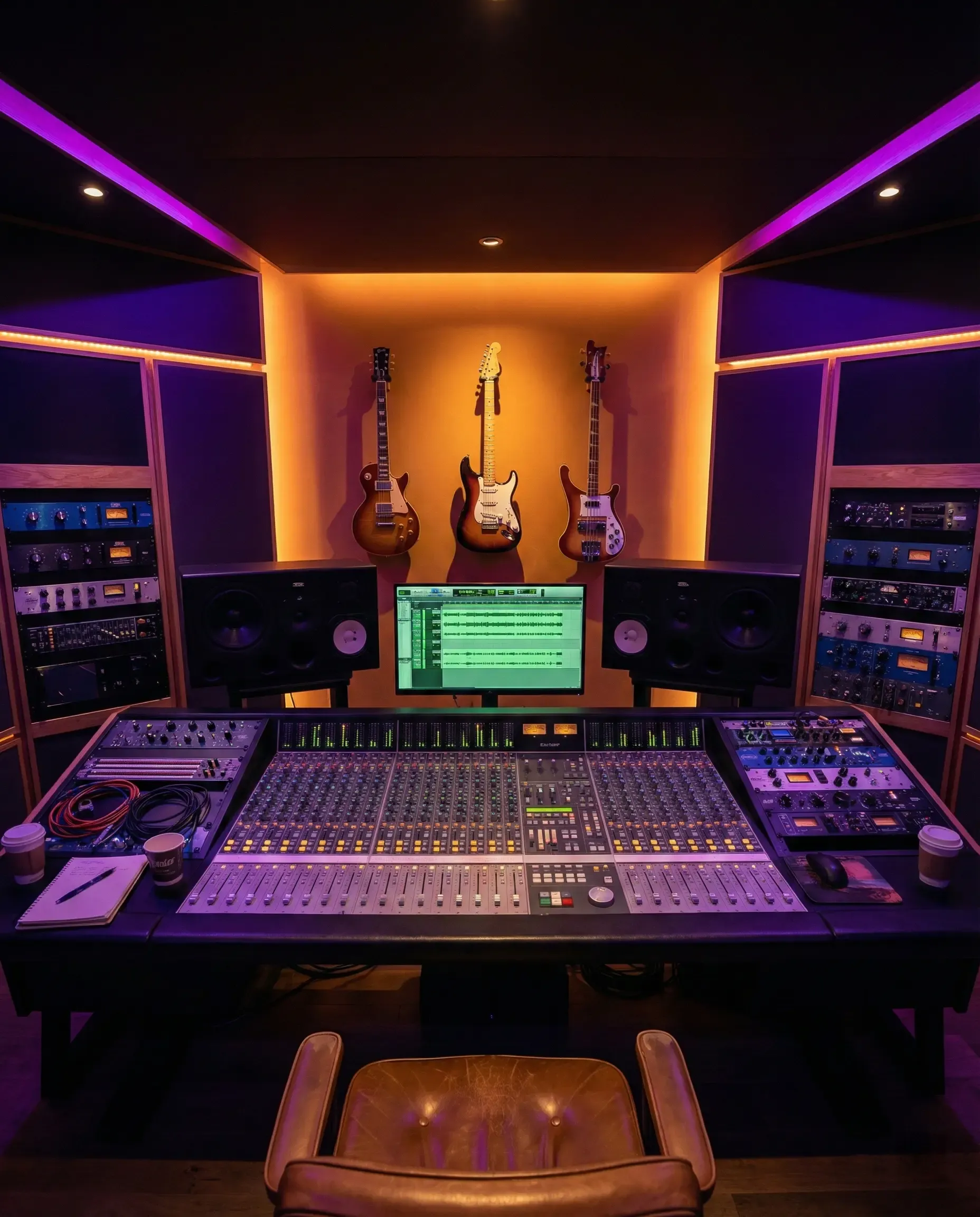
Custom Recording Studio Design
Every great recording starts with a great room. We design and build recording studios that inspire creativity while meeting the most demanding technical specifications. From the initial acoustic analysis to the final equipment installation, we handle every aspect of your studio project.
- Music producers and engineers building personal studios
- Artists creating home recording environments
- Commercial studio owners upgrading facilities
- 18+ years specializing in audio facility design
- 50+ studios completed across all genres
- Complete turnkey service from concept to completion
What's Included
Comprehensive deliverables tailored to your project
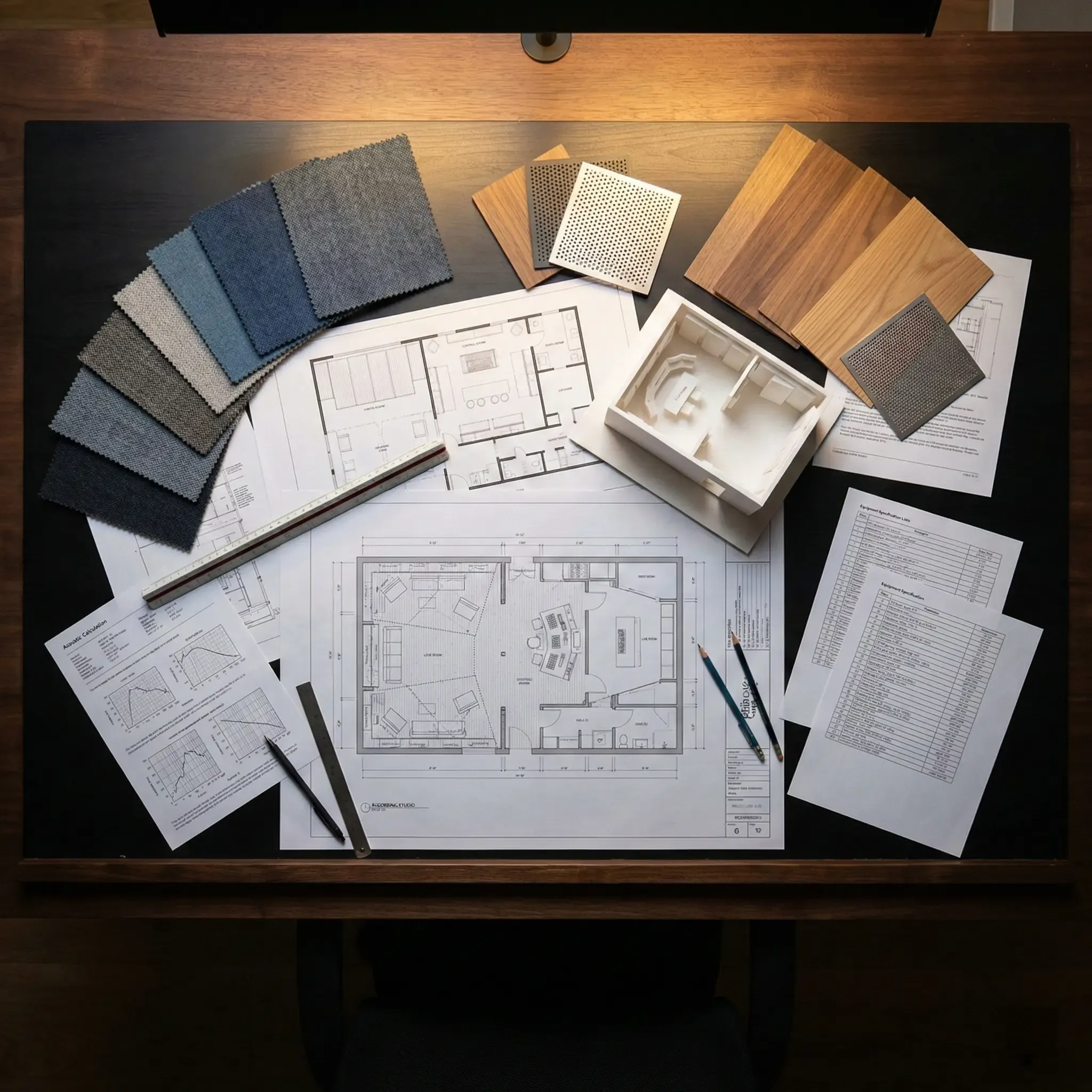
Our Process
From initial consultation to final calibration
Discovery & Consultation
We begin with an in-depth conversation about your vision, workflow, budget, and timeline. This includes a site visit to assess your space and identify any challenges or opportunities.
- Initial consultation call
- Site visit and assessment
- Needs analysis document
- Preliminary budget discussion
Discovery & Consultation
We begin with an in-depth conversation about your vision, workflow, budget, and timeline. This includes a site visit to assess your space and identify any challenges or opportunities.
- Initial consultation call
- Site visit and assessment
- Needs analysis document
- Preliminary budget discussion
Concept Design
Our design team creates initial floor plans, elevations, and 3D visualizations that capture your vision while meeting acoustic requirements.
- Floor plan development
- 3D renderings
- Material selections
- Acoustic modeling
Concept Design
Our design team creates initial floor plans, elevations, and 3D visualizations that capture your vision while meeting acoustic requirements.
- Floor plan development
- 3D renderings
- Material selections
- Acoustic modeling
Design Development
We refine the design with detailed acoustic specifications, construction details, and coordination with MEP engineers for HVAC and electrical systems.
- Detailed construction drawings
- Acoustic treatment plans
- MEP coordination
- Equipment layout finalization
Design Development
We refine the design with detailed acoustic specifications, construction details, and coordination with MEP engineers for HVAC and electrical systems.
- Detailed construction drawings
- Acoustic treatment plans
- MEP coordination
- Equipment layout finalization
Construction Documentation
Complete construction documents are prepared, including all specifications, schedules, and details needed for accurate bidding and construction.
- Full construction set
- Material specifications
- Equipment schedules
- Bidding assistance
Construction Documentation
Complete construction documents are prepared, including all specifications, schedules, and details needed for accurate bidding and construction.
- Full construction set
- Material specifications
- Equipment schedules
- Bidding assistance
Construction Phase
We provide ongoing oversight during construction, coordinating with contractors and ensuring the design is executed to specification.
- Contractor coordination
- Site visits and inspections
- Problem resolution
- Progress documentation
Construction Phase
We provide ongoing oversight during construction, coordinating with contractors and ensuring the design is executed to specification.
- Contractor coordination
- Site visits and inspections
- Problem resolution
- Progress documentation
Installation & Calibration
Final acoustic treatment installation, equipment setup, and room calibration to achieve optimal performance.
- Acoustic treatment installation
- Equipment installation
- Room measurement and tuning
- System integration
Installation & Calibration
Final acoustic treatment installation, equipment setup, and room calibration to achieve optimal performance.
- Acoustic treatment installation
- Equipment installation
- Room measurement and tuning
- System integration
Handover & Training
Complete walkthrough of all systems and features, ensuring you're fully prepared to use your new studio.
- System walkthrough
- Operations training
- Documentation handover
- Ongoing support introduction
Handover & Training
Complete walkthrough of all systems and features, ensuring you're fully prepared to use your new studio.
- System walkthrough
- Operations training
- Documentation handover
- Ongoing support introduction
Key Considerations
Critical design factors we address in every project
Acoustic Performance
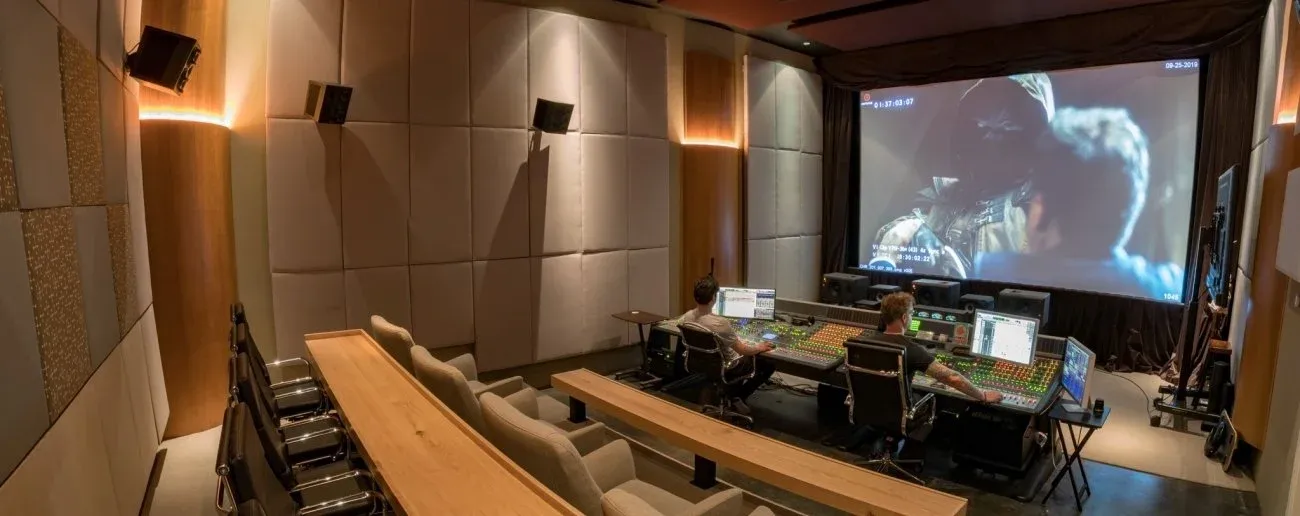
The acoustic character of your studio directly impacts the quality of recordings and mixes. Poor acoustics lead to unreliable monitoring and difficult translation to other systems.
Our approach: We use advanced acoustic modeling and measurement tools to design rooms with optimal frequency response, controlled reflections, and appropriate reverb times for your specific needs.
Sound Isolation
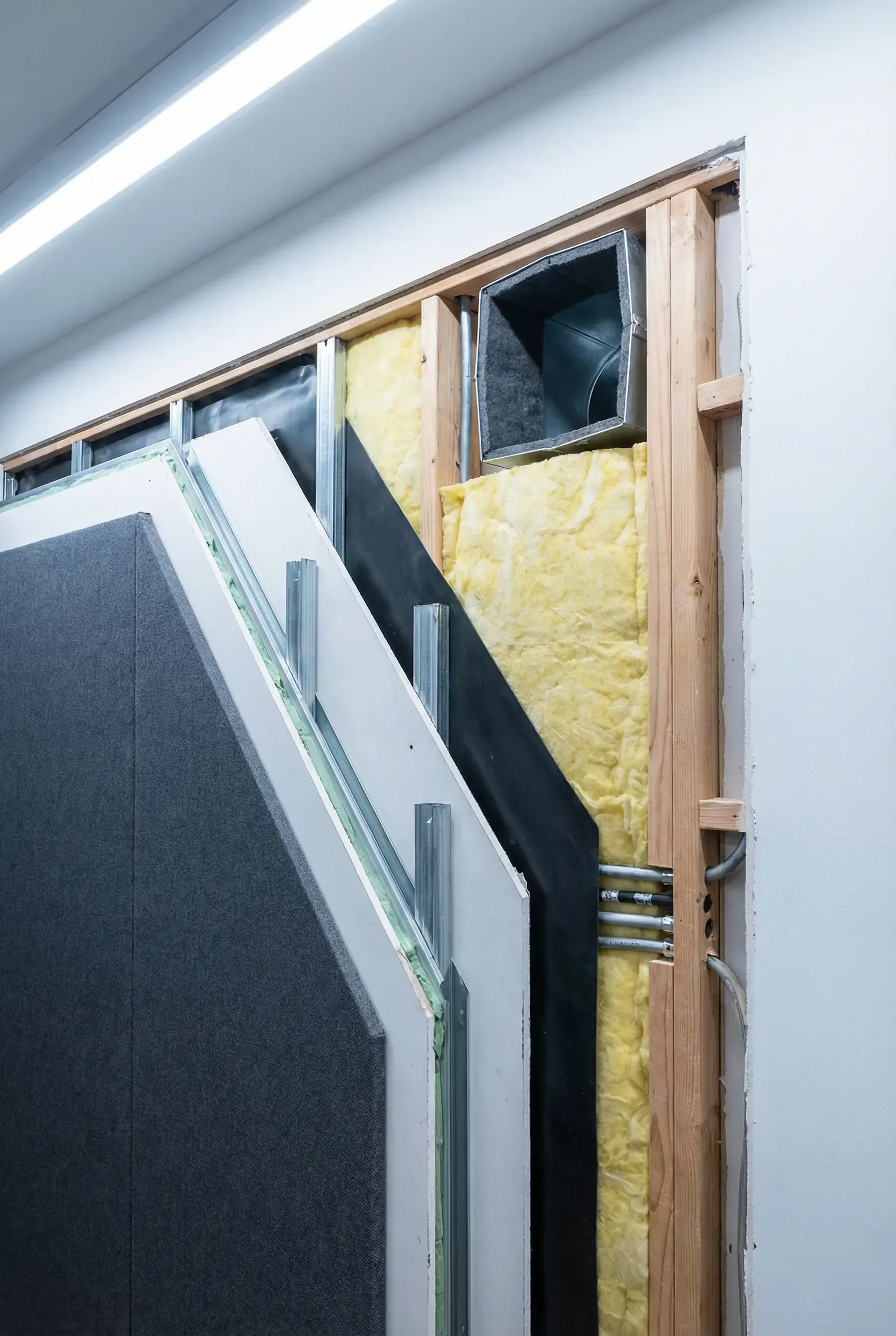
External noise ruins recordings and limits your ability to work at any hour. Effective isolation also prevents your sessions from disturbing neighbors or other spaces.
Our approach: We engineer isolation systems tailored to your specific situation, from simple mass-based solutions to sophisticated floating room constructions, achieving STC ratings appropriate for your needs.
HVAC Systems
Climate control is essential for comfort and equipment longevity, but standard HVAC systems create noise that interferes with recording and mixing.
Our approach: We design specialized low-velocity HVAC systems with acoustic ducting and vibration isolation, maintaining comfort while keeping NC ratings below 15 in critical spaces.
Clean Power
Electrical noise and ground loops cause hum, buzz, and interference that degrades audio quality and can damage sensitive equipment.
Our approach: We specify dedicated electrical systems with isolated ground circuits, proper panel separation, and surge protection to ensure clean, reliable power throughout your facility.
Workflow Optimization
A well-designed studio supports your creative process, with equipment and spaces arranged for efficient production and collaboration.
Our approach: We study your workflow in detail, designing spaces and systems that support your specific creative process while remaining flexible for future needs.
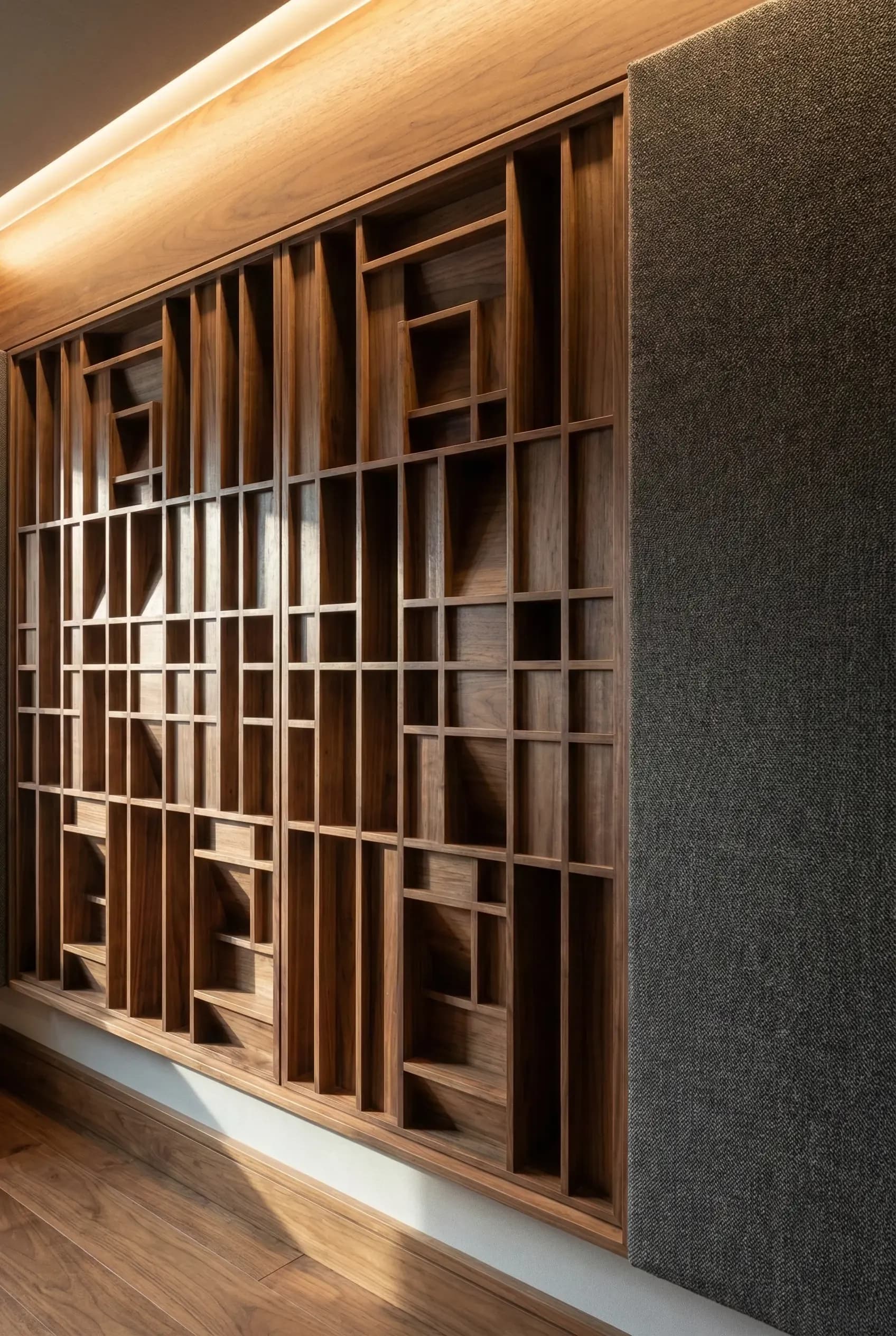
Technical Specifications
Featured Projects
Recent work showcasing this service
Why It Matters
A recording studio is more than a room with equipment—it's an instrument that shapes every sound you create. The difference between a thoughtfully designed space and an afterthought conversion isn't just measured in technical specifications, but in the quality of work produced and the satisfaction of everyone who uses the space.
Sound Quality
Proper acoustic design means what you hear is what you get. Your mixes translate accurately to other systems, reducing time spent on corrections and remixes.
Creative Flow
When technical barriers disappear, creativity flourishes. A well-designed studio removes friction from the recording process, allowing artists to focus entirely on their performance.
Professional Reputation
Clients and collaborators notice quality. A professionally designed facility signals serious intent and attracts serious talent and projects.
Property Value
Quality construction and thoughtful design add lasting value to your property, whether you stay for decades or sell in the future.
What to Watch For
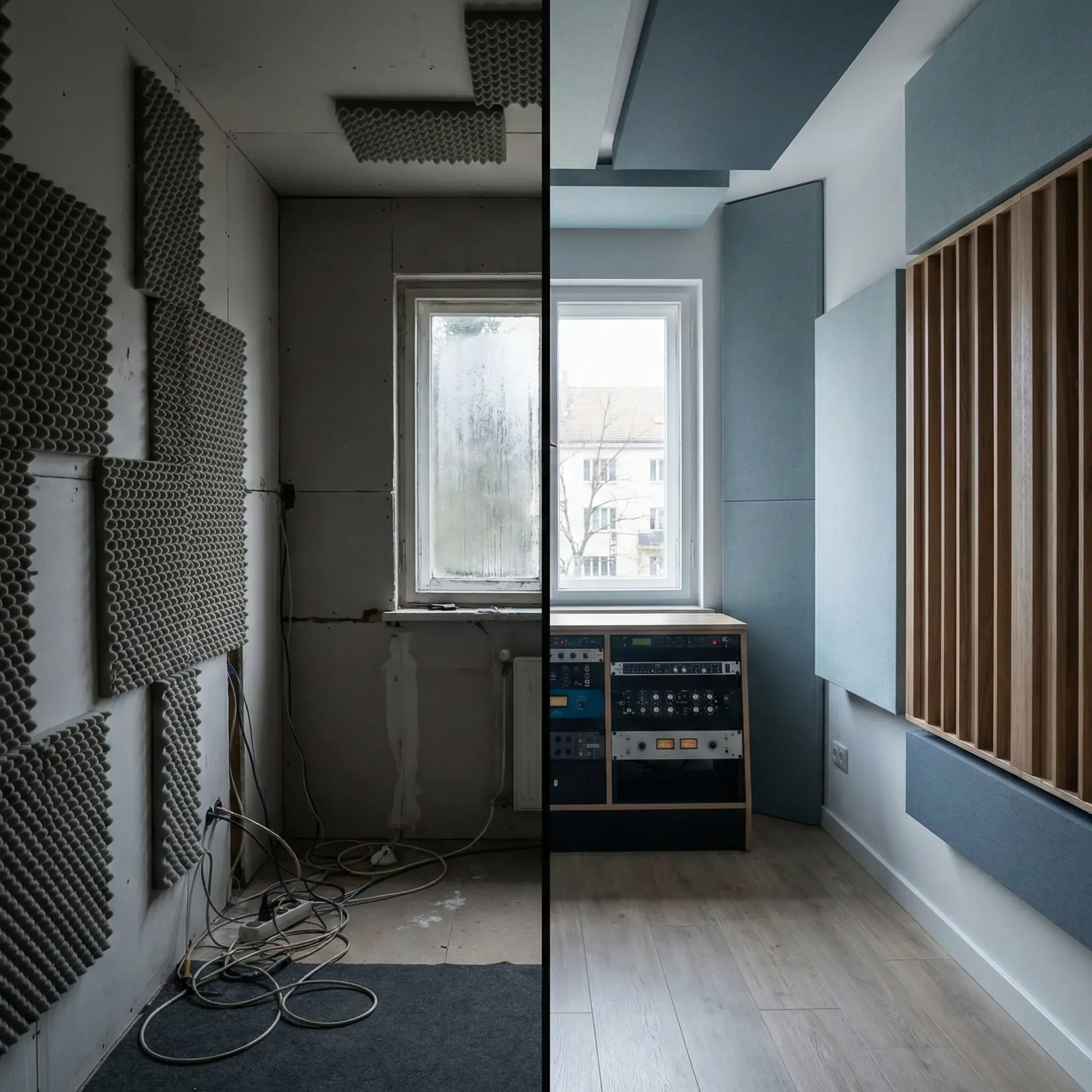
Pitfalls to Avoid
Skipping Professional Design
DIY acoustic solutions often create more problems than they solve, leading to expensive fixes and compromised results.
Underestimating Isolation
Insufficient isolation limits when you can work and what you can record, frustrating both you and your clients.
Ignoring HVAC Noise
Standard HVAC systems make studios unusable for critical work, requiring expensive retrofits or uncomfortable compromises.
Long-Term Benefits
Frequently Asked Questions
Answers to common questions about this service
Studio costs vary widely based on size, complexity, and finish level. A basic project studio might start around $50,000, while commercial facilities can range from $200,000 to several million. We work with clients across all budgets to maximize value.
Related Services
Complementary solutions for your project
Start Your Project
Tell us about your project and we'll get back to you within 24 hours